
The Compass or the Clock?
Every day, we are guided by two invisible forces: the compass and the clock. The clock urges us to move faster, meet deadlines, seize opportunities, and stay ahead of the competition. The compass, however, quietly points us toward what is right, reminding us that direction matters far more than speed.
When faced with an ethical dilemma, these two forces often pull us in opposite directions.
Imagine being offered a promotion that requires overlooking dishonest practices. The clock whispers, “Take it now. Opportunities don’t wait.” The compass responds, “Success built on compromise is success on borrowed time.”
Ethical dilemmas rarely present themselves as a choice between obvious right and obvious wrong. More often, they are disguised as practical decisions. Should you report a colleague’s misconduct if it might cost you a friendship? Should you exaggerate your achievements to impress a client? Should you stay silent because speaking up feels inconvenient?
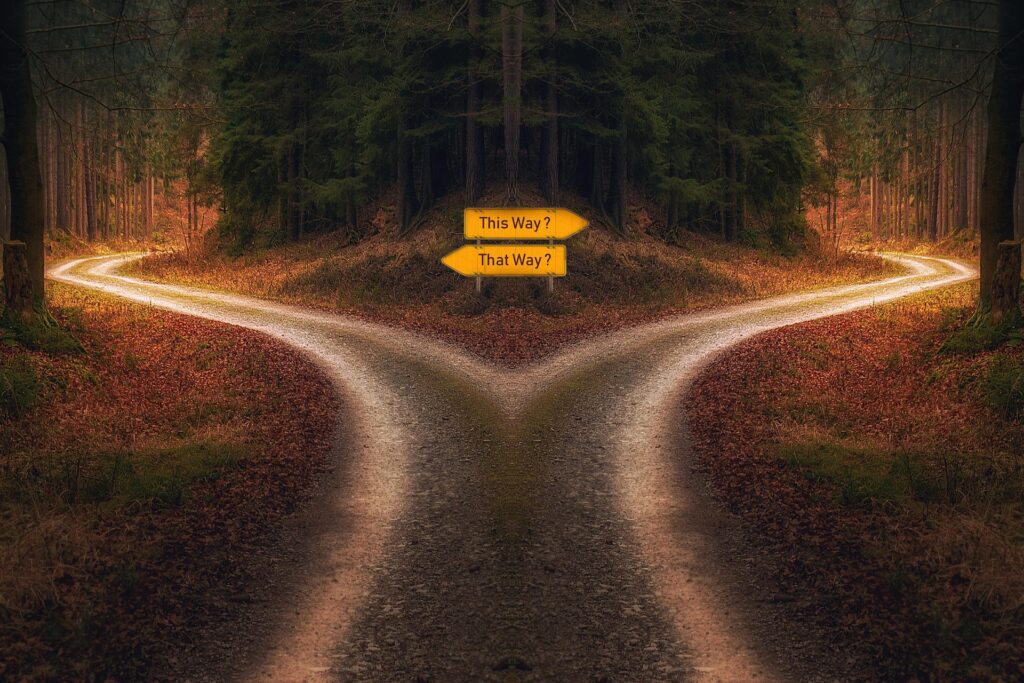
These moments reveal what truly guides our lives.
A clock measures progress by minutes and hours. A compass measures progress by purpose and principles. One asks, “How quickly can I get there?” The other asks, “Am I heading in the right direction?”
In today’s fast-paced world, there is tremendous pressure to prioritize results over integrity. Society celebrates achievements, promotions, wealth, and recognition. Yet history repeatedly teaches us that accomplishments without character are fragile. Trust, once broken, is difficult to restore. Reputation, once damaged, takes years to rebuild.
Integrity is often inconvenient. It may require admitting a mistake, refusing an easy profit, or defending someone who cannot defend themselves. These decisions rarely bring instant rewards, but they create something far more valuable—a life built on honesty, respect, and trust.
Whenever you encounter an ethical crossroads, pause and consider these questions:
- Does this decision align with my values?
- If everyone made this choice, would the world become better or worse?
- Would I encourage someone I love to make the same decision?
- Am I choosing what is easy, or what is right?
The answers may not simplify the situation, but they will illuminate the path forward.
A person guided only by the clock may arrive quickly but end up somewhere they never intended to be. A person guided by the compass may take longer, encounter more obstacles, and even face criticism, but they will reach a destination they can be proud of.
Life is not a race to the finish line. It is a journey of becoming. Every ethical decision shapes our character, influences those around us, and leaves a legacy that outlives our achievements.
So, when the pressure mounts and the easy road seems inviting, don’t just watch the clock. Pick up your compass.

Because arriving quickly means very little if you’ve lost your way.